
Trade Facilitation

Trade facilitation is key for national development as it helps to ease trade between countries and opens up a large market for the benefit of both the business community and governments. Trade promotion and facilitation will be implemented under  Component 2.

Component 2: Promoting Trade  and Agribusiness Competitiveness has been allocated a total USD 54 million. This Component 2  aims to enable key stakeholders in Zambia’s agribusiness sector and beneficiaries from Component 1 to exploit opportunities offered by African Continental Free Trade Area (AfCFTA). This will be done by seeking to improve the trade pathways, quality infrastructure, and business enabling environment i.e. meso-level sectoral activities that are critical for firms and farmers and in line with AfCFTA protocols ratified by Zambia. Special focus would be placed on small Agribusiness enterprises and women traders to ensure that the project addresses key constraints faced by them.

Key Barriers/Constraints for Agribusinesses and Traders

  1. Lack of information and requirements on trade – firms and traders unfamiliar with export procedures. There is a lot of information asymmetry on trade information impacting negatively on traders and general exporters. A number of reports indicate that the Private sector firms have lost business opportunities or incurred high costs as a result of lack of clear information, they were not aware of certain laws, Sanitary/Phytosanitary (SPS) measures, or other requirements.
  2. Customs and bureaucratic procedures that makes it difficult for the majority of traders and private firms to undertake cross border business. Women traders continue to face challenges to grow their cross-border businesses.
  3. Regulatory systems not primed to support small enterprises and traders to grow their businesses. Small businesses and traders play a critical role in the economy yet systems are not allowing the firms and traders to fast track their growth. Unlocking these bottlenecks presents a huge opportunity in promoting growth and creating jobs for the country.
  4. Finance and payment mechanisms
  5. Product Quality and Price Barriers – Agribusiness firms struggle to export most of their products due to product quality, lack of understanding on specification’s in the international markets and how to address them.
  6. Non-tariff barriers
  7. Transportation: costs, frequency, and insecurity; inadequate logistics
  8. Lack of planning and organization as firm and trader level.
  9. Inadequate R&D activities; and
  10. Inadequate export marketing activities.

To address some of these constraints highlighted, the project will focus on the following;

Implementing Trade Commitments

Through implementation of various trade commitments, the country stands to benefit through better trade facilitation to ease trade. ZATP-II will support implementation of global (World Trade Organization [WTO]), continental (AfCFTA), and regional (corridor specific) commitments and domestic regulations. Three specific focus areas under this subcomponent are:
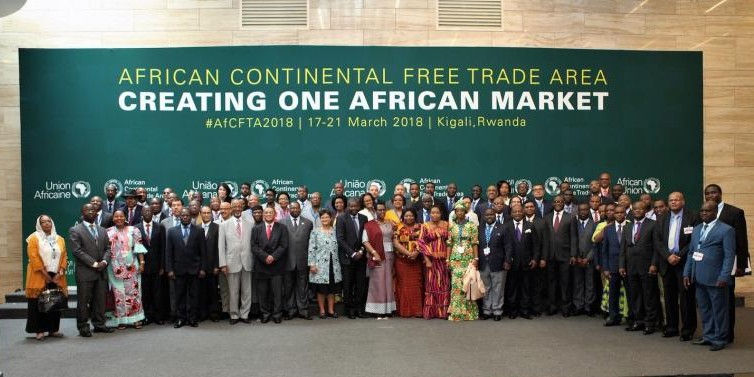
    1. Implementing Zambia’s AfCFTA strategy and action plan including developing capacities required within MCTI;
    2. Supporting the National Trade Facilitation Committee and Corridor committees to ensure Zambia’s commitments are implemented and interests represented; and
    3. Improving the technical regulations regime by strengthening the recently established Technical Regulations Department within MCTI.
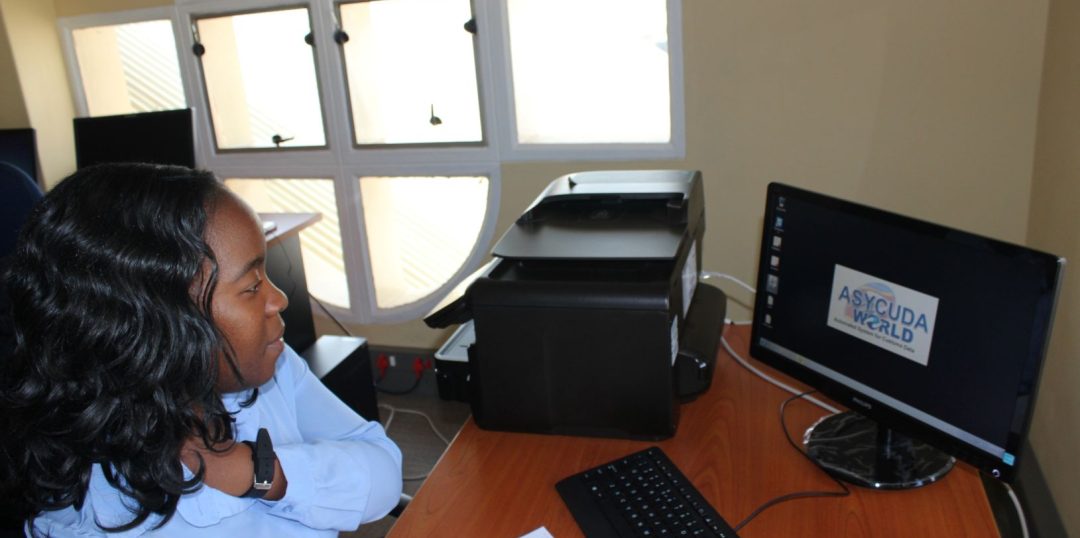
ASYCUDA WORLD

Improving Trade Efficiency

Through MCTI support will be provided to Zambia’s trade agencies to implement an automated, coordinated and risk-based approach to trade in goods. This would include;

  1. Coordinated Border Management (CBM), a key reform that seeks to reduce the number of agencies operating coordinated approach across the key trade agencies at the border to improve efficiency and reduce cost;
  2. Risk management, which requires a coordinated approach across the key trade agencies. This entails harmonization of requirements across agencies, joint inspections, and related modifications in the Customs ASYCUDA World system.
  3. Trade agency automation that would include (i) ICT systems for Zambia’s key trade related agencies aiming to connect to the single window for back-end processing for approvals, registrations, licensing, inspection, sampling, fee collection, tracking and tracing and lab sampling. Systems deployed would utilize climate-friendly equipment to the extent possible; and (ii) wide area network connectivity at HQ for connection to the national single window and at selected borders to connect to ASYCUDA World.


Strengthen Business Regulation, Investment Promotion, National Quality Infrastructure and SPS capacities and facilities

The project will enhance the capacities and facilities for Zambia’s key business regulations, investment promotion institutions, as well as trade related institutions involved in agricultural trade to reduce the burden of business compliance, to attract, retain and service investments, to increase exports, and to strengthen the development of agribusiness value chains. Specifically, it would support;

  1. Capacity building of business regulatory and investment policy and promotion institutions;
  2. Re-purposing or refurbishing or constructing diagnostic facilities in Lusaka and rendering them efficient and climate-resilient;
  3. Setting up of a national accreditation body and laboratory accreditation for selected testing at selected agencies;
  4. Equipment and supplies to support inspection and sampling that are energy efficient and climate resilient;
  5. Promotion of Global Food Safety Initiative (GFSI) and
  6. Enabling Zambia’s trade agencies to expand stakeholder engagement, consultation and awareness including for women and MSMEs that would include the establishment of joint resource centers.

Key Stakeholders and Implementing Partners Under Trade Facilitation

Business Regulatory Review Agency (BRRA)

Competition and Consumer Protection Commission (CCPC)

Immigration Department

Ministry of Health’s National  Food Laboratories

National Livestock Epidemiology and Information Centre (NALEIC)

Port Health

Plant Quarantine and Phytosanitary Service (PQPS)

Zambia Bureau of Standards (ZABS)

Zambia Compulsory Standards Agency (ZCSA)

Zambia Development Agency (ZDA)

Zambia Metrology Agency (ZMA)

Zambia Revenue Authority (ZRA)

Zambia Environmental Management Agency (ZEMA)