
Environment and Social Safeguards

Environmental and Social Safeguards are embedded across all project components and are guided by national regulations and World Bank policies.

ENVIRONMENTAL AND SOCIAL SAFEGUARDSThe ZATP II is Moderate categorized in terms of World Bank Environmental and Social Standards (ESS). This is based on the fact that, the Project will not support large infrastructure construction projects whose risk and impacts are adverse, irreversible and cover a large spatial extent in terms of area.

Hence, the approach for identifying potential environmental risks and impact will follow a risk based and framework approach based on procedures outlined in the Environmental and Social Management Framework (ESMF).

The Project will support subprojects with Moderate risks and impact that are reversible, site specific and whose risks and impacts can be managed by undertaking an Environmental and Social Assessment (ESA) to identify potential environmental risks and impacts, developing mitigation measures and plans such an Environmental and Social Management Plan (ESMP).

An ESMP is a document that outlines how the positive impacts of the project will be enhanced and how the negative risks and impacts will be managed during all the implementation phases of a Project. The ESMP outlines the details of the mitigation measures, monitoring, cost and institution arrangements that will be involved during implementation.
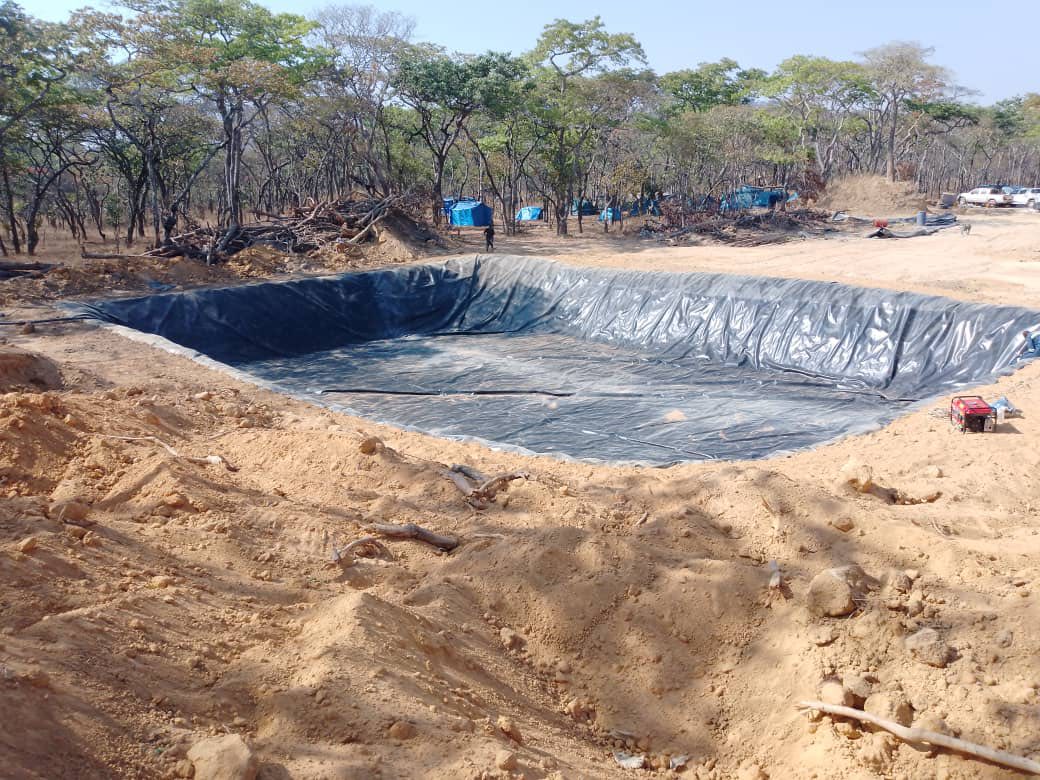
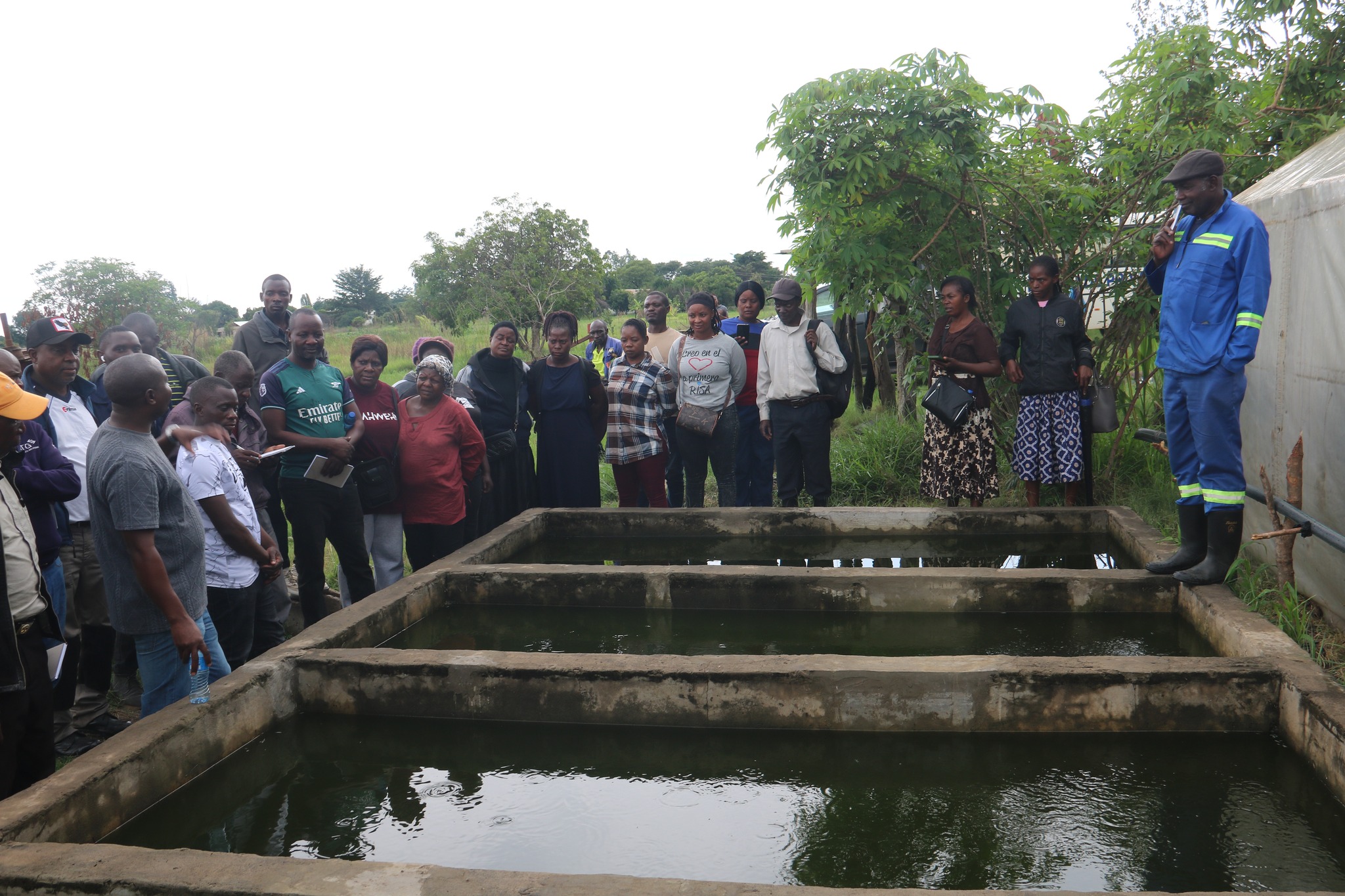
Some Anticipated Environmental and Social Risks and Impacts

Screening of Environmental and Social Risks

Identification of Environmental and Social risks and impacts is through screening of all approved Business Plans. Screening will be undertaken by Environmental and Social Consultants under Technical Service Providers (TSP) using the E & S Checklist in the ZATP II Environmental and Social Management Framework (ESMF).

The Project Implementation Unit (PIU) will conduct post review of any subproject that are sensitive in nature with high potential risk OHS on the surrounding communities e.g construction works, aquaculture etc;

For subprojects that will require further assessment such as preparation of Environmental Project Brief (EPB), the PIU will engage ZEMA to conduct screening and recommend the type of safeguard instrument to be developed.The following Environmental & Social instruments have been prepared as part of the ESMF to address potential environmental and social risks under the ZATP-II:

Electronic Waste Management Plan,
Hazardous Waste Management Plan,
Integrated Pesticide Management Plan (IPMP),
Nutrient and Fertilizer Management Plan,
GBV Action Plan,
Chance Find Procedures (CFP),
Road Safety Policy,
Stakeholder Engagement Plan (SEP) that includes a Grievance Redress Mechanism (GRM),
Labour Management Procedures (LMP)

The ESMF also contains an Environmental & Social Exclusion List that excludes the implementation of subprojects that will cause irreversible environmental degradation and societal harm.

Zambia Agribusiness and Trade Project II (ZATP II) Exclusion List

S/N DESCRIPTION YES NO
1
Project investments or activities involving harmful or exploitative forms of forced labor/ child labour
X
2
Production or trade in any product or activity deemed illegal under the Zambia Laws or Regulations or Regional and International Conventions and agreements
X
3
Production or trade in weapons and ammunition
X
4
Gambling, Casinos or Equivalent enterprises
X
5
Production or Value addition activities involving narcotic substances
X
6
Production or trade in radioactive substances
X
7
Production or trade in asbestos fiber
X
8
Production or Trade in Wood from unmanaged forests
X
9
Production or Trade in Products containing Polychlorinated Bisphenols (PCBs)
X
10
Production or Trade, Storage, Transport of significant volumes of hazardous chemicals and commercial scale use of hazardous chemicals
X
11
Production or Trade in Pesticides/Herbicides/Fungicides subject to phase in accordance with the Stockholm Convections
X
12
Investments in extractive industries such as logging and milling timber
X
13
Production or Trading in Ozone depleting substances
X
14
Activities that would significantly convert natural habitants or significantly alter potentially important biodiversity and cultural resources areas
X
15
Project investments in natural game parks
X
16
Trade in wildlife or wildlife products
X
17
Activities that would require the relocation of households and involuntary land acquisition
X
18
Project investments in disputed areas or territories.
X
19
Production or Trade in Persistent Organic Pollutants (POPs)
X
20
Production or Trade of alien fish species banned under Regional Concenvections
X
21
Production and Trade in alien plant species banned under Regional Convections
X
22
SMEs, organisations, cooperatives and agribusinesses barred by the Credit Reference Bureau (CRB) of Zambia.
X
23
Contractors barred by National Construction Council (NCC) and other regulatory bodies .
24
Organisations, SMEs, agribusinesses and cooperatives banned by other government agencies such as the CEEC, ZDA etc.
X
25
Organisations, SMEs, agribusinesses and cooperatives with a history of fraud or any other illegal activities.
X
26
Production or Trade of alien or non-indigenous animals (livestock) under regional conventions and national laws.
X
27
Activities that are likely to negatively impact tangible and intangible cultural heritage after mitigation measures are in place.
X
28
Production or trade in tobacco
X
29
Production or trade in alcoholic beverages
30
Any trade related to pornography and prostitution
X
31
Any trade related to human trafficking
32
Trade in goods without required export or import licenses or other evidence of authorization of transit from relevant countries of export, import and, if applicable, transit.
X

Objectives

Key Areas of Focus

Implementation Approach

The PIU is responsible for:

Expected Outcomes